
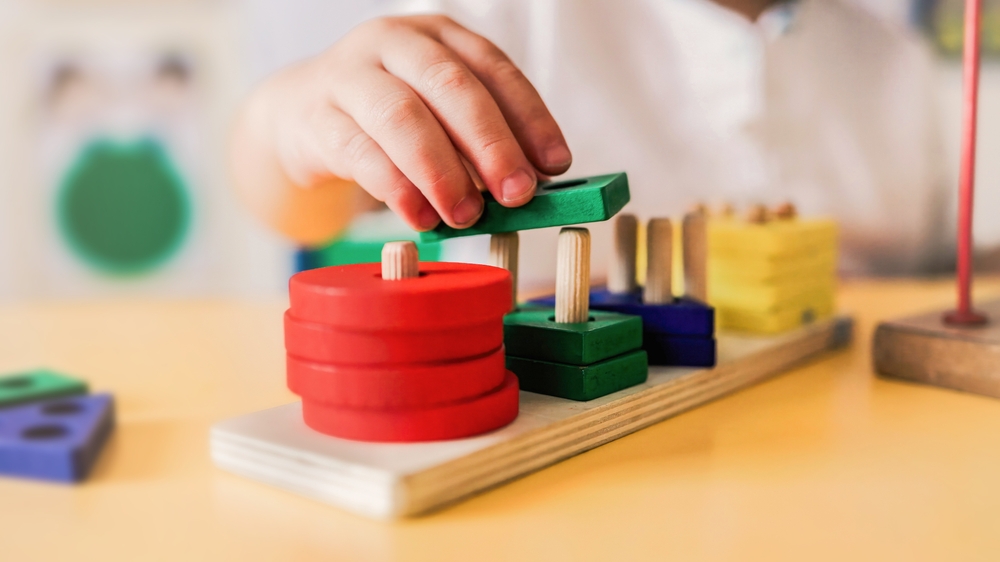
Moving from a therapy setting into a busy kindergarten classroom is a big milestone for any child. For families of children with autism or other developmental delays, this shift involves much more than new backpacks and school supplies. It focuses on building independent living skills children need to succeed in a classroom environment.
While Applied Behavior Analysis (ABA) therapy is often known for addressing challenging behaviors, its greatest impact is helping children develop independence. For children ages 2 to 6, these foundational skills support confidence, social participation, and readiness to learn to set the stage for a successful start to kindergarten.
The Foundation of Independence: Why ABA?
ABA therapy focuses on the science of learning and motivation. By breaking down complex tasks into manageable steps, Board Certified Behavior Analysts (BCBAs) help children master the routines of daily life.
For children preparing for kindergarten, independence isn’t just about doing thing on their own, it’s about feeling confident in an environment that isn’t always customized to their specific needs. By building independent living skills early, we make sure that the transition to “big kid school” feels successful instead of overwhelming.
1. Self-Care and Personal Hygiene
In kindergarten, children are expected to manage many self-care tasks with minimal adult support. Building self-care independence early is important for helping children feel confident, capable, and ready to participate fully in the school day. A therapist in a 1 on 1 ABA setting can guide each step in teaching self care, but teachers often juggle an entire classroom. That’s why
Toileting Independence
ABA therapy goes beyond basic potty training by teaching the full routine, including:
- Recognizing when it’s time to use the bathroom
- Managing clothing like buttons, zippers, and snaps
- Washing hands thoroughly without repeated reminders
Dressing for the Day
Kindergarten involves several transitions that require dressing skills, such as putting on a coat for recess or changing shoes for gym class. ABA uses proven strategies, such as backward chaining, a step-by-step approach to help children master skills. This starts with small successes and builds towards full independence. .
2. Mealtime Autonomy
Lunchtime and snack breaks are often the most social parts of the kindergarten day, but they also require a high level of motor planning and independence.
Opening Containers
Many children struggle with the “fine motor” demands of Tupperware lids, juice boxes, and snack bags. ABA therapy incorporates these into daily sessions to practice the “pinch and pull” or “twist” motions until they become second nature.
Table Manners and Cleanup
Independence for children means being responsible for themselves, so we teach them to:
- Sit for the duration of a meal.
- Use utensils effectively.
- Clear their own space and dispose of trash.
3. Executive Functioning: The “School Readiness” Skills
Independent living skills go beyond physical tasks. They include the thinking skills children use to plan, focus, follow directions, and manage changes throughout the day. . These executive functioning skills play a major role in how smoothly a child adjusts to the structure of a kindergarten classroom.
Following Group Instructions
In an ABA center, directions are often individualized and immediate. In kindergarten, instructions are usually given to an entire group. ABA helps children bridge this gap by practicing group-based activities like “circle time”, where they learn to listen for their name, observe peers, and follow multi-step directions within a group setting.
Managing Transitions
Moving from a preferred activity, such as playing with blocks to a less preferred one, like cleaning up, can be challenging. ABA uses tools like visual schedules and timers to help children anticipate transitions, regulate emotions, and move between activities with less adult support.
4. Communication as a Tool for Autonomy
True independence is knowing how and when to ask for help. In a kindergarten classroom, children may not always have immediate adult support, so being able to communicate needs is essential for confidence and success.
- Functional Communication Training (FCT): ABA therapy teaches children to communicate effectively using their words, signs, or AAC devices. Skills like saying “I need help,” or “I need a break” allow children to get support without frustration.
- Self-Advocacy: Independence also means having a voice. Teaching a child to express preferences or set boundaries, such as saying “no” or “I don’t like that”, helps them feel safe, respected, and in control of their environment.
The Role of the Family: Generalizing Skills
For ABA to be truly effective, the skills learned in the center must “generalize” to the home and the classroom. Our role as a comprehensive ABA provider is to partner with parents to guarantee consistency.
Skill Category | ABA Center Strategy | Home Implementation Tip |
Dressing | Using a “dressing board” for zippers/buttons. | Allow 5 extra minutes in the morning for the child to tie their own shoes. |
Communication | Prompting “Help please” during difficult tasks. | Wait 10 seconds before jumping in to help with a toy or snack. |
Organization | Using a visual “First/Then” board. | Use a visual checklist for the “Backpack Routine” every evening. |
Preparing for the Future: From 6 to 16
While our ABA therapy focuses on children between ages 2 and 6, we remind families that independence is a lifelong journey. A child who learns to open their own snack at age 4 is developing the problem-solving and confidence they’ll later use to prepare simple meals, manage daily routines, and move more independently through the world.
By making independence a core pillar of our ABA programming, we’re doing more than preparing children for kindergarten, we’re helping set the stage for a self-directed future. We view ABA not as a bridge, not a lifelong destination. Our goal is to help each child need less support over time gaining more confidence and autonomy.
How We Can Help
Starting kindergarten can feel overwhelming, but you don’t have to face it alone. . Our clinical team offers Little Hands Day Program, a kindergarten readiness program that combines evidence-based ABA therapy with practical, real-world skills. We focus on helping children build the independence they need to succeed, whether they’re entering a mainstream classroom or a specialized learning environment.
Why Goal-Setting Matters in Autism Treatment
Setting clear goals gives direction to therapy and helps track progress. Without specific objectives, it’s hard to measure how far a child has come or what still needs improvement. For example, instead of saying “improve social skills,” a goal might be “initiate play with a peer three times during a session.” In ABA therapy, goals are based on observable behaviors and measurable outcomes.
This approach allows families and therapists to see real progress over time. It also helps identify when goals need to be adjusted or when a child is ready for new challenges. As children gain confidence through ABA therapy in Laurel, they often start showing their skills in new environments, like at school or during playdates.
Collaboration and Communication
Collaboration is at the heart of setting effective goals. Parents and therapists meet regularly to:
- Review data
- Discuss progress
- Understand treatment plan adaptations
- Discuss what’s happening at home
This open communication makes it easier to keep goals realistic and achievable.
Families are encouraged to speak up about what they want to see improve. Maybe a parent wants smoother bedtime routines or better tolerance for group settings. Therapists can then design specific strategies to support those goals using ABA techniques such as prompting, reinforcement, and visual support.
Families can also track progress at home by noting small improvements. For instance, a child might start making eye contact more often, use a new word to ask for help, or handle transitions with less frustration. These small wins show that therapy is making a difference.
Examples of Family Goals
Families might focus on a wide range of goals during treatment, depending on their child’s needs. Some examples include:
- Building communication by using words, pictures, or gestures
- Developing play skills such as sharing, turn-taking, or imaginative play
- Improving daily routines like dressing, brushing teeth, or eating meals
- Increasing flexibility with changes in routine
- Reducing challenging behaviors like tantrums or aggression
- Strengthening social connections with peers or family members
Each goal is based on the child’s developmental level and what the family hopes to achieve.
Measuring Progress Together
Tracking progress is one of the most important parts of the process. Therapists collect data during sessions to measure:
- How often a child demonstrates a skill
- How independently a child complete a task
Families are also asked to observe how skills carry over into daily life, such as whether a child uses the same communication tools at home or school.
Regular meetings help keep everyone on the same page. Families can see clear data on what’s improving and discuss what adjustments might be needed. Over time, this shared understanding builds confidence and keeps therapy moving in the right direction.
Staying Focused on Family Priorities
Therapists at Helping Hands Family keep family values at the center of the treatment plan. This includes cultural practices, daily routines, and comfort levels with specific techniques. Our clinicians understand family goals are personal and prioritize hearing and supporting family input. Families should always feel comfortable sharing their perspectives and asking questions about how therapy supports their priorities.
Transitioning Through Life
Part of successful therapy is preparing for change. Families want to see their child succeed not just in therapy but in the real world. That’s why transition planning is a major part of ABA treatment. Goals often shift as children enter new environments like school, community programs, or social events.
For example, a family might start with goals around communication and daily routines at home, then move toward group play and classroom participation. Therapists work closely with parents in developing ABA strategies to help children feel more confident in each setting.
Pulling It All Together
Goal setting in autism treatment is about teamwork. Families and therapists work together to identify priorities, track progress, and celebrate every step forward. Whether it’s improving communication, managing daily routines, or preparing for big life transitions, each goal builds toward long-term growth.
Here are a few ways families can make goal-setting successful:
- Share your priorities and challenges openly with the ABA team
- Stay involved by tracking progress and communicating changes
- Celebrate small victories and recognize effort, not just results
- Be flexible and ready to adjust as your child grows
- Keep the focus on progress that supports your family’s values
By working together, families and therapists create a strong foundation for lifelong learning and independence. The process takes patience and consistency, but every goal, no matter how small, helps your child build confidence and connect more with the world around them.